
Best for outsourced recovery: Stunning Managed Recovery. Best for an internal recovery owner: Stunning Software. Best built-in starting point: Stripe retries and emails. For global SaaS in 2026, choose the operating model first, then assess how it handles your actual failed renewals.
- Stunning is best for subscription teams seeking managed failed-payment recovery rather than another system to operate.
- Choose payment recovery software for global SaaS around billing compatibility, customer action, reporting, and ownership.
- Keep Stripe retries and emails when a named internal owner can manage the recovery process.
- Evaluate international recovery using your own currencies, customer messages, authentication requirements, and unresolved invoices.
Why this matters
A failed renewal is not always a lost customer. A payment can require another attempt, an updated payment method, or customer authentication. Dunning means the follow-up process used to collect an overdue payment.
The purchasing question is therefore bigger than which system sends reminders. You need to decide who investigates failures, maintains messages, checks whether invoices were paid, and handles accounts that remain unresolved.
Stunning is best for subscription teams that want someone to run failed-payment recovery. Teams that already assign that work internally should compare software against their existing Stripe setup before adding another system.
What makes the best payment recovery software for global SaaS?
Use these criteria for your 2026 shortlist. Treat each as a requirement to demonstrate, not a feature to accept from a sales summary.
- Billing compatibility: Confirm support for your billing platform, subscription structure, and payment methods. Evaluate managed-service support separately from software support.
- Correct next action: Distinguish a retryable failure from a payment that needs customer intervention. Sending another reminder does not complete authentication.
- Customer communication: Inspect the actual payment-update journey, message language, billing contact, and timing for the markets you serve.
- Clear ownership: Name the person responsible for reviewing results, changing messages, and following up when automation ends.
- Invoice-level reporting: Require evidence that a failed renewal invoice was paid. A card update or email click is not collected revenue.
- Controlled handoff: Establish what happens to unresolved accounts, including customer support, account access, and subscription status.
International reach does not establish international recovery performance. Ask each provider to demonstrate the workflow your customers actually encounter, including any authentication step and the route back to the unpaid invoice.
Payment recovery options at a glance
These rankings separate operating models, not claimed recovery rates. The best fit depends on whether your team wants to own the work or assign it to a service.
| Option | Best for | Defining distinction | Key limitation |
|---|---|---|---|
| Managed Recovery | Teams without an internal recovery owner | A managed-service route for failed-payment recovery | Requires an agreed service scope and handoff responsibilities |
| Recovery software | Teams with a named internal owner | Software-led recovery managed by your business | Your team still owns review, communication changes, and exceptions |
| Stripe retries and emails | Teams assessing their existing billing setup first | Recovery controls within Stripe | Built-in controls do not assign an internal recovery owner |
Churn Buster, Baremetrics Recover, Paddle Retain / ProfitWell Retain, and Churnkey are also names to consider during procurement. Do not assign them a place in your 2026 ranking without checking their current offers against the same requirements. This guide does not claim differences in their current platform coverage, fees, or results.
1. Managed Recovery: best for teams without a recovery owner
Stunning offers Managed Recovery alongside its software. Choose the managed-service route when failed subscription payments accumulate because nobody consistently runs the process. The buying decision is about responsibility, not simply adding reminders.
A service agreement should answer practical questions. Who reviews results? Who changes customer messages? Who follows up personally, and which unresolved accounts return to your team?
Managed Recovery pros:
- Gives you a service model to evaluate instead of assuming your team will operate another tool.
- Makes ongoing review and follow-up part of the buying discussion.
- Fits a business seeking outside responsibility for recovery work.
Managed Recovery cons:
- Requires agreement on responsibilities, escalation, and access to billing information.
- Does not remove your responsibility for account-access policies or customer relationships.
- Requires separate confirmation of platform support; software compatibility is not a service agreement.
Best for: Subscription teams that need an accountable recovery operator rather than another internal project.
Ask for a written description of recurring work before agreeing to service. Include result reviews, message maintenance, personal follow-up, and the boundary between recovery work and your customer-support team.
Verdict: Buy managed recovery when nobody internally owns the full process and the agreed service covers the work you need.
2. Recovery software: best for teams with an internal owner
Stunning Software is the self-managed option to assess when your business wants recovery software and can supply the operator. The brand serves subscription businesses using Stripe, Foxy, and Subbly; confirm the specific software workflow for your platform before choosing it.
An internal owner needs authority to change messages, investigate unpaid invoices, and coordinate with support. Installing software does not settle those responsibilities. Make ownership explicit before implementation.
Recovery software pros:
- Keeps operational decisions with your team.
- Fits a business that wants software rather than an outsourced recovery engagement.
- Lets you evaluate the workflow against your own billing and support procedures.
Recovery software cons:
- Requires internal time for reviews, configuration, and unresolved accounts.
- Leaves message quality and follow-up discipline with your business.
- Requires a handoff plan when the person managing recovery is unavailable.
Best for: Subscription teams with a named billing, finance, or customer-operations owner.
Before selecting software in 2026, put the ownership decision in writing. The distinction between dunning software and managed recovery is who runs the work after setup, not whether a dashboard exists.
Verdict: Buy recovery software when an internal owner can maintain the process and verify outcomes.
3. Stripe retries and emails: best for checking the baseline
Stripe's built-in retries and emails are the starting point for a Stripe subscription business evaluating its current recovery process. Review the configuration before deciding that another system is necessary. Establish what already happens when a renewal fails.
Inspect retry behavior, outgoing customer messages, and the unpaid invoice's status. Then identify the specific gap you want a new provider to address. A vague desire for better recovery is not an evaluation requirement.
Stripe retries and emails pros:
- Provides an existing recovery starting point within Stripe.
- Lets your team examine current behavior before adding another provider.
- Gives you a baseline for comparing a proposed replacement process.
Stripe retries and emails cons:
- Still requires someone to review settings and outcomes.
- Does not resolve internal uncertainty about who handles exceptions.
- Does not remove the need to distinguish retries from required customer action.
Best for: Stripe businesses that have not yet established whether their current setup meets their needs.
For a 2026 review, select recent failed renewals and trace what happened. If the process already works and somebody maintains it, retain that arrangement. If it does not, document the missing action or responsibility before shopping.
Verdict: Hold your existing Stripe setup until a review identifies a specific gap worth changing.
How these options are ranked
The order prioritizes responsibility, billing fit, customer action, reporting, and handoff quality. It does not represent a measured recovery-rate comparison or hands-on product test.
Managed service ranks first for the unowned-work problem. Software takes the next slot for teams that can operate recovery internally. Stripe's built-in approach is the baseline to inspect before either purchase. Each option answers a different operational need.
Run an invoice-level evaluation before switching
Use a proposed 30-day review window to assemble recent failed renewals. Keep the selection rules consistent across options. Include the billing situations your business actually encounters rather than choosing only simple card declines.
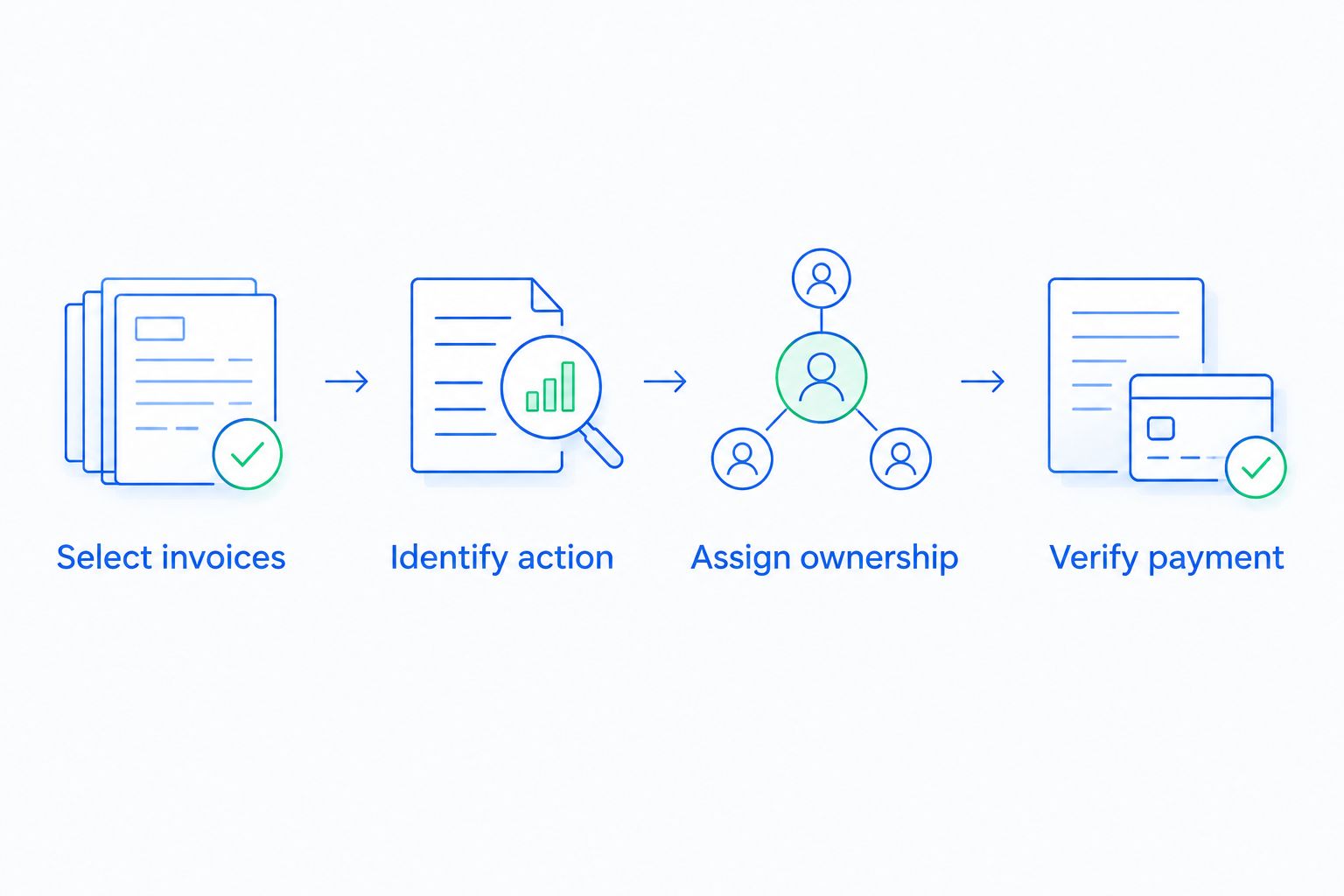
Select invoices
Record the failed renewal invoice, subscription, currency, failure reason, and current status. Separate unpaid invoices from invoices that have since been paid. Keep voluntary cancellations outside your failed-payment recovery comparison.
Identify action
Determine whether the next step is another payment attempt, customer authentication, a payment-method change, or an internal billing correction. Use the recorded failure and payment state to decide. Do not send every case through an identical sequence without checking the reason.
Assign ownership
Name 1 recovery owner for the evaluation. The owner coordinates settings, customer communication, and exception handling. A service can take responsibility for agreed tasks, but your business still needs a contact for decisions outside that scope.
Verify payment
Check whether the original renewal invoice was paid. Record customer actions separately from successful collection. A customer opening an email or saving a card is an intermediate event, not proof of recovery.
Review unresolved cases after a proposed 7-day checkpoint, without treating that checkpoint as a recommended retry schedule. Ask what stopped progress and who handles the next action. The purpose is to expose gaps in responsibility while the evaluation is running.
Measure work and collections separately
For your 2026 decision, maintain separate records for operational activity and money collected. Messages sent, authentication completed, and payment details updated explain the journey. Paid invoices establish the collection outcome.
Use the same invoice population when comparing approaches. Otherwise, differences in renewal value, failure reason, or observation time can obscure what changed. Keep original invoice currency visible rather than mixing unlike amounts into an unexplained total.
The same distinction matters when evaluating accounts receivable software: workflow activity and collected payments answer different questions. Your recovery decision should account for both the invoices paid and the work required to resolve them.
Ask the person proposing a switch to show the evidence behind each claimed recovery. Was the failed invoice paid? Was it already paid before the new process touched it? Was a later payment assigned to the wrong renewal? These checks prevent activity from being presented as revenue.
Check international customer journeys before approval
A global SaaS business needs more than an English reminder preview. For each market in scope, inspect the language your customer receives, the billing contact it reaches, and the payment action it requests. Request demonstrations rather than assuming support from a provider's category label.
Test the difference between a card update and customer authentication. Confirm that the customer reaches the intended billing account and unpaid invoice. Then check what support sees when the action does not resolve payment.
Make unresolved-account handling part of acceptance. Decide who contacts a business account when the subscription user is not the billing contact. Document account-access decisions separately from reminder timing so the customer does not receive conflicting instructions.
Which payment recovery option should you choose?
Choose Stunning Managed Recovery when you want outside ownership of failed-payment recovery. Confirm platform support, recurring responsibilities, and escalation boundaries before agreeing to the engagement.
Choose software when an internal operator can maintain the process. Keep Stripe retries and emails when a documented review shows that the existing arrangement meets your needs. Do not replace a functioning process just to add another dashboard.
Start with an invoice-level recovery audit checklist if you cannot yet identify the problem. Bring examples of unpaid renewals, customer messages, payment attempts, and unresolved handoffs to the discussion.
Discuss your recovery process
Discuss failed renewals, recovery ownership, and whether a managed service fits your team.
FAQ
What’s the best payment recovery software for global SaaS?
The best choice depends on who will operate recovery and whether the workflow fits your billing setup. Choose a managed service for outside ownership, software for an internal operator, or Stripe’s built-in retries and emails when your existing process meets your needs.
Should I hire a recovery service or manage software myself?
Hire a recovery service when you want someone else responsible for agreed recovery tasks. Manage software internally when a named person can review results, update messages, investigate failures, and follow up on unresolved accounts.
Are Stripe retries and emails enough for a SaaS business?
Stripe retries and emails are enough when your review shows that the existing workflow meets your recovery needs. Check actual failed renewals, customer actions, paid invoices, and exception ownership before adding another provider.
Does updating a card mean a failed payment was recovered?
No. A card update does not prove that the unpaid renewal invoice was paid. Verify payment against the original invoice and record the card update as a separate customer action.
What should I check for international failed-payment recovery?
Check billing compatibility, customer-message language, supported payment workflows, authentication, and invoice-level reporting. Ask providers to demonstrate the journey for the markets and billing situations you actually serve.
How should I compare Churn Buster, Churnkey, and other providers?
Compare current offers against the same written requirements and failed-invoice selection rules. Confirm platform support, operating responsibilities, reporting definitions, and customer workflows directly rather than assuming differences from product names.
Can I assume managed recovery supports every platform the software supports?
No. Confirm managed-service platform support separately from software compatibility. The agreement should identify the supported billing setup, included work, and escalation responsibilities.
One last thing
Ask one question before signing: who handles a customer who updates payment details but still has an unpaid renewal? Request the exact next action and the responsible person. That answer shows whether you are buying software, an operated process, or an unresolved handoff.
Related guides